

 최종편집 : 2026.10.19 월 17:57
  All
All Feature


 Kim Ye-kyeong
CBNU operates an exchange program each semester, sending selected students to its partner universities abroad. A CBT reporter participated in the program and spent one semester in the U.K. from Sept. 2025 to Jan. 2026. While living in the U.K., the moments that British culture felt most vivid were not during trips to famous landmarks, but rather in the repetition of everyday. This article aims to share aspects of British daily culture that the reporter directly experienced, drawing on reportorial observations and interviews with local residents.
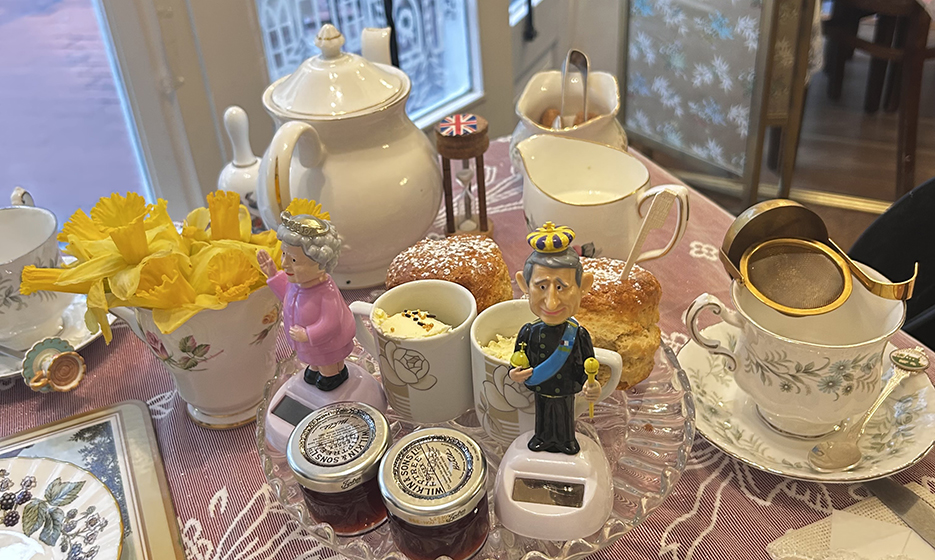
Tea Time Naturally Fused into Daily Life
The reporter was sent to the University of Wolverhampton (WLV). Although each student had a private room in the accommodation, six flatmates shared a communal kitchen. While sharing the kitchen with British students, it became clear that tea drinking is deeply fused into their everyday lives. Ben Samual (Dept. of Science, WLV, 25), who is one of the flatmates, even recommended his favorite tea. He described tea drinking as natural routine to him. “I usually have a cup of tea after lunch and after dinner. I may also have a cup of tea while studying as this helps me to concentrate,” he explained. When asked about the meaning of tea in British culture, he said, “Tea is often seen as a part of British culture. Many British people will have a cup of tea to relax or help sort out issues in life. For example, when talking to a friend about a personal matter, you might discuss it over a cup of tea. I think tea is inherently seen as a part of British culture, but what it means is subjective to different people.”
Ben emphasized the habit of enjoying tea after dinner. “I also recommend having a cup of tea after dinner. It is very calming and helps clear the mind. A cup before bedtime can also be soothing, though it is important to remember that tea contains caffeine,” he explained.
For the reporter, tea culture felt less like simply drinking a beverage and more like savoring a moment accompanied by refreshment and calm. In the U.K., it is common to see tea served with scones, tea cakes, or afternoon tea sets. When visiting a cafe, the reporter observed that British customers often ordered tea with scones—and eventually decided to follow their lead. Scones are typically eaten with jam and clotted cream, and the order in which jam and clotted cream are spread is a topic of small talk.
A variety of teas are consumed in the U.K., including black tea, Darjeeling, and Earl Grey. The tea most frequently chosen was English Breakfast tea, which is commonly enjoyed with milk. Even the amount of milk added can vary according to personal preference, sometimes becoming a topic of conversation.
The Home of Musicals
In the U.K., musicals are not reserved only for special occasions, but embraced as a part of casual leisure culture. The reporter frequently attended musicals in London’s West End, but musical theaters are found across the country as the U.K. is a country where musicals are established and widely enjoyed. The representative musicals include Les Miserables, The Phantom of the Opera, and The Lion King. The reporter watched Les Miserables, The Phantom of the Opera, and Wicked during the stay.
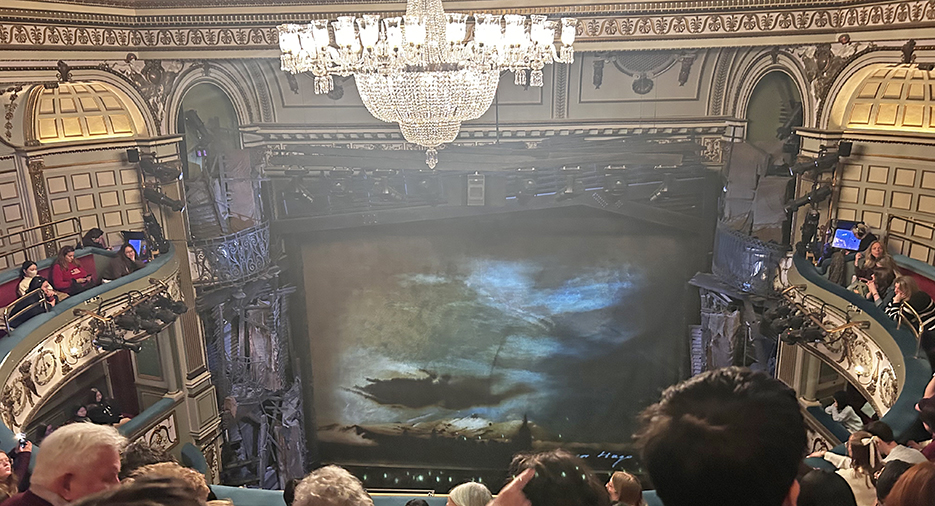
One of the most notable features of British musical culture, observed by the reporter, is its high accessibility. Theaters are distributed across the nation, making it possible to enjoy performances not only in London but in many other parts of the country. In addition, rush tickets that are discounted when purchased at the venue on the day of performance, student discounts, and standing tickets helped reduce the financial burden of attendance. In actuality, when using rush tickets and a student discount, the reporter was able to purchase an excellent seat at a much lower price—about 200,000 KRW less than the regular cost.
A second feature is the audience’s attitude. People often applaud in an informal atmosphere whenever each musical number concludes. Also, while some spectators dress formally, it is common to see people wearing casual clothing. The practice of enjoying drinks or light snacks inside the theater further contributes to making a comfortable form of leisure culture rather than a solemn event.
The third feature is the advanced stage equipment and directing technique. Rather than keeping props fixed on stage, many stage elements are designed to move organically according to each scene. The exquisiteness of the sets and the smooth and rapid scene transitions help the audience understand scenes that director is trying to convey. Moreover, lighting, sound, and stage mechanics work together to increase immersion and play a crucial role in storytelling.

Lastly, British musicals are not confined to classical works. It remains an evolving culture in which new productions continue to emerge. While long-running classics remain beloved, films and contents such as Frozen, The Devil Wears Prada, and Stranger Things are newly adapted into musicals, sustaining the industry’s creative momentum over time.

With easy access and relaxed atmosphere, British musicals became a part of everyday leisure. This spirit was also reflected in an interview with a Briton. Farid Abdulwahab Shawwal (Dept. of Pharmacology, WLV, 24), who enjoys attending musicals as a hobby, explained “I usually go to see a musical with friends or family. I go because it feels like an unique experience. Once I started watching them, I realized how entertaining and immersive they can be.” He further added, “I think watching musicals means a lot to people in the U.K., especially as theater is a big part of British culture. For many people, it is a form of entertainment, escapism, and even tradition. Musicals can also bring people together, whether it is for a special occasion, a social outing, or simply to enjoy live performance and storytelling.”
Living in the U.K. as an exchange student, the tea and musical culture encountered in daily life revealed meaningful aspects of British culture. These little moments illustrated how people build relationships, maintain a sense of reserve, and engage with culture in their lives.
By Kim Ye-kyeong
ykk623315@chungbuk.ac.kr


 Quick News