

 최종편집 : 2026.10.19 월 17:57
 All
 Culture


 Kang Sung-eon

Jerseys once seen mostly at baseball and football stadiums have become increasingly common in university classrooms and on the streets. Fans wear team-branded anoraks as everyday clothing, buy jerseys featuring their favorite characters, and even choose overseas clubs’ jerseys simply for their designs. Sports merchandise is moving beyond game-day gear into fashion and everyday life.
The popularity of professional sports provides a backdrop to this change. According to the Korea Baseball Organization (KBO), the 2026 KBO League surpassed 11 million spectators on Sept. 12, 2026, after 626 games. That was 17 games earlier than in 2025, when the milestone took 643 games. By Sept. 12, seven of the league’s 10 clubs had each attracted more than one million home spectators.
Diversified Sports Merchandise
Sports merchandise has expanded beyond traditional jerseys and caps to include character goods, key rings, fashion apparel, and everyday items. Collaborations increasingly combine club identities with popular characters and brands.
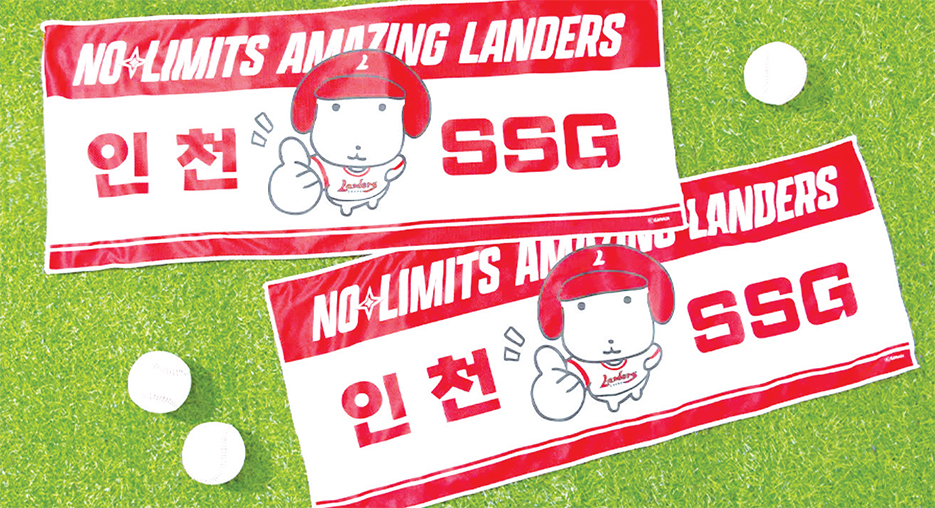
In 2026, the SSG Landers collaborated with the character Ganadi on 15 types of merchandise, including plush dolls, cheering bats, and neck fans. According to Shinsegae (SSG) Group, the collection targeted fans from their teens to their 30s and included both stadium accessories and seasonal products.
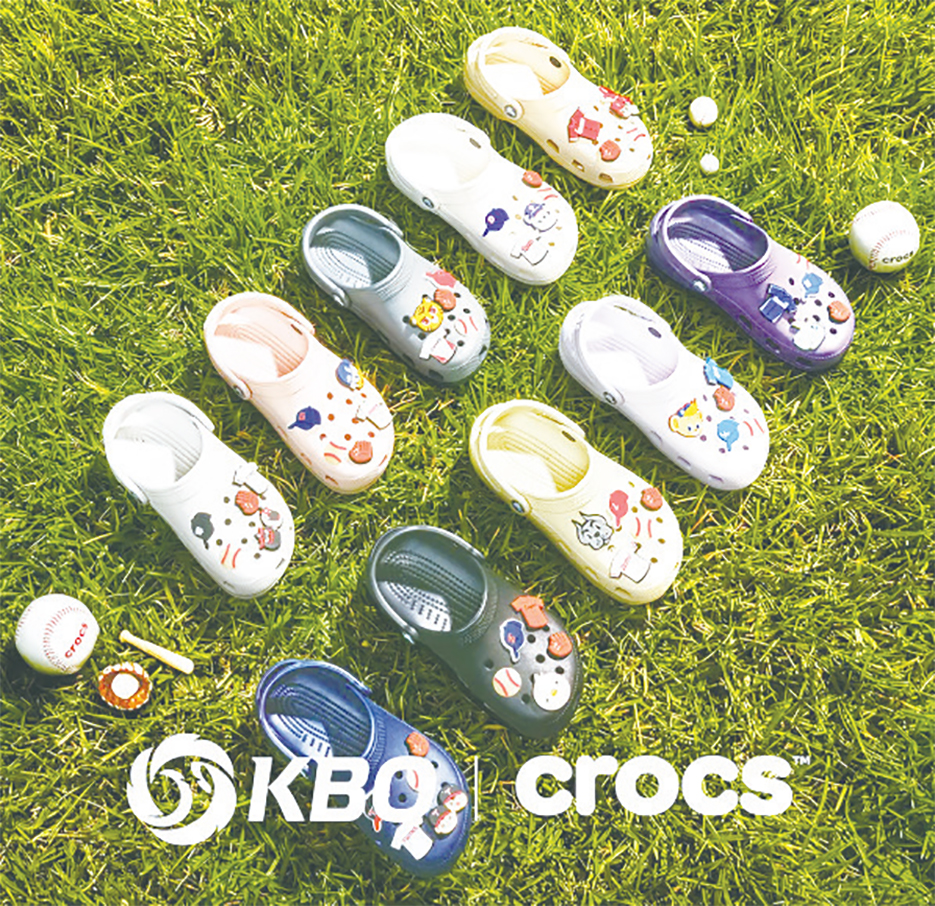
Food brands have also joined these collaborations. The KBO and LOTTE WELLFOOD released products, including Pepero, featuring the logos and mascots of all 10 KBO League clubs. Special packages contained collectible stickers, badges, and key rings. The KBO also collaborated with Crocs on club-themed Jibbitz charms and with BODYFRIEND MINI on compact massage devices.
These collaborations bring team symbols into products that fans can use, wear, or collect beyond the stadium.
New Reasons to Buy Through Collaboration
Collaborations can prompt first-time purchases. Ham Dong-woo (Dept. of Physical Education, 22) said, “I had never really bought merchandise before, but I ended up purchasing several items after seeing some of the recent collaboration products.”
Collaborations can also attract longtime collectors. Song Ha-yeong (Dept. of Earth & Environmental Sciences, 22), a longtime Doosan Bears fan, said, “If it had not been a collaboration with Mangom, I probably would not have felt the need to buy another jersey because I already had a regular one.”
However, not every collaboration appealed to Song. She showed little interest in an SSG Landers jersey made with No Brand Burger but was drawn to the club's Starbucks collaboration. For her, the choice of partner mattered more than the collaboration itself.
Retail sales offer another measure of demand. According to GS Retail, 1,750 LG Twins cooler bags sold out within 30 minutes of advance reservations opening in 2025, while Hanwha Eagles merchandise generated about 100 million KRW in two days. During June and July, sports-themed GS25 stores recorded average daily sales up to 3.8 times those of ordinary stores and 3.1 times as many visitors.
Sports Merchandise Beyond the Stadium
Song usually wears baseball jerseys at games, but she also wears her team’s anorak to classes. She said, “Sports merchandise is not cheap, so I think it should be useful in everyday life to be worth the price.”
According to 2024 Professional Sports Spectator Survey, the Korea Professional Sports Association’s spectators spent an average of approximately 157,000 KRW per person on merchandise, including jerseys and cheering items, during a season.
Fashion also attracts buyers with little interest in sports. Yoon Seong-hyun (Dept. of English Language and Literature, 22) purchased clothing from a sports club’s collaboration with a fashion brand because he considered it worthwhile as everyday apparel.
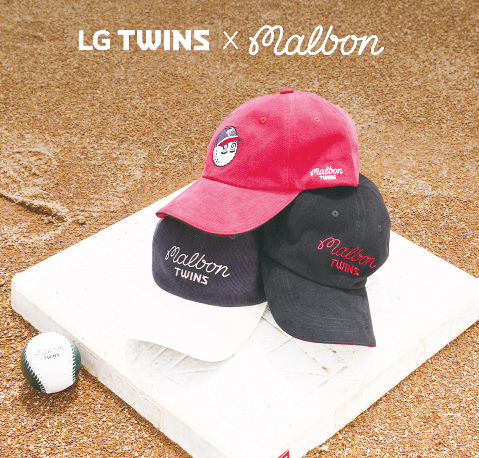
Clubs are responding with clothing designed for everyday wear. In Sept. the LG Twins and lifestyle golf brand Malbon released an 18-item collection, including jerseys, jackets, and caps, intended for both stadiums and daily life. The club had also introduced nine items with fashion brand OJOS in Aug.
The appeal extends to football jerseys. Roh Young-min (School of Business, 23), a Daegu FC supporter, bought Inter Milan and Celtic jerseys for their designs, not out of loyalty to those clubs. He said his purchases increased after he adopted “blokecore,” a fashion style that pairs football jerseys with everyday clothing. For Roh, Daegu FC’s name and sponsorship logos from companies associated with the area also make the jersey a symbol of regional identity. “It feels like it represents the Daegu region,” he said.
Differences in Sports Merchandise Consumption Across Sports
The selection available to fans differs across sports. Jo Soo-min (Dept. of Physics, 25), who supports the Hyundai Capital Skywalkers volleyball team, said, “I feel that there is a lack of variety in every aspect of volleyball merchandise.” She particularly wanted more clothing options and said she would consider buying more if the range expanded. Jo believed the smaller size of the volleyball industry compared with baseball and football might partly explain the difference.
From Team Loyalty to Everyday Consumption
Interviewees revealed different reasons for buying merchandise. Collaborations encouraged both first-time and repeat purchases, while design and everyday usefulness led some students to buy apparel from teams they did not support. These individual experiences do not necessarily represent consumers as a whole.
Meanwhile, clubs and companies are extending merchandise into food, accessories, and personal-care products. Although the opportunities vary across sports, the examples examined show how team merchandise can serve not only as a sign of support in the stands but as an expression of taste and belonging in daily life.
By Kang Sung-eon
reverse0423@chungbuk.ac.kr


 Quick News